
Blogs
The Bigger the Gantry, the Smaller the Margin for Error
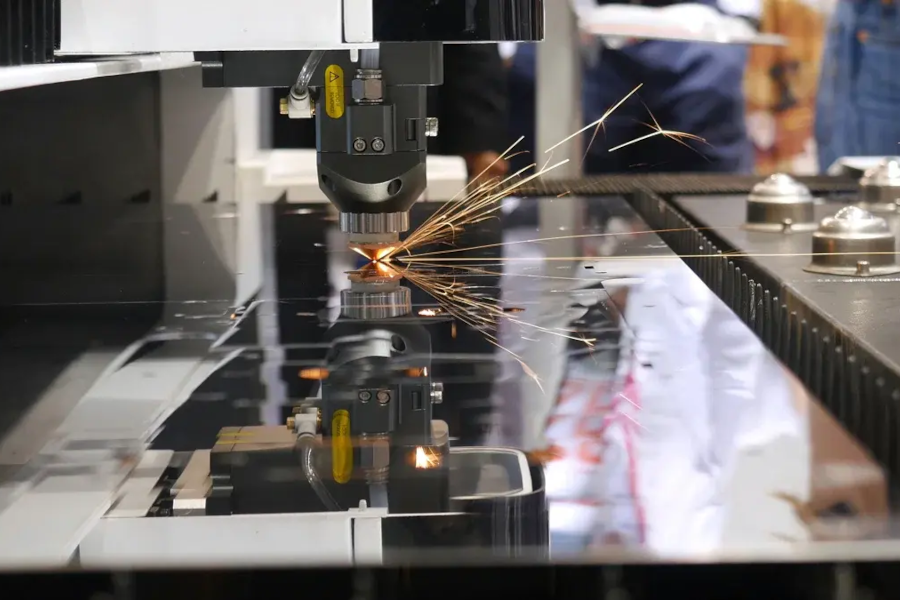
The Bigger the Gantry, the Smaller the Margin for Error How Allient’s facility, team of experts, and precision testing capabilities combine to enable customer needs in gantry motion and precision at scale. Large-format motion systems appear deceptively straightforward. Make the structure longer and wider. Install larger motors. Lengthen encoder scales. Tune the controller. Job done.…
Read MoreHow to Choose the Right Motor for SATCOM Systems

How to Choose the Right Motor for SATCOM Systems Our previous blog looked at which Motor Technologies are Used in SATCOM Systems, while this article follows on from that, looking at how to choose the right motor for a SATCOM application. For a more detailed understanding of motor technologies, applications and selection considerations, download our Technical Guide to Motors…
Read MoreWhen Six Degrees of Freedom Become Six Degrees of Responsibility

When Six Degrees of Freedom Become Six Degrees of Responsibility How Allient Is Helping Customers With Unprecedented, Scalable Manufacturing Precision There was a time when six degrees of freedom (6-DOF) positioning was reserved for niche applications. It was impressive technology, certainly, but rarely the defining factor in manufacturing success. That time has passed. Today, some…
Read MoreWhat Do the New Tariffs on Drone Components Mean for Manufacturers
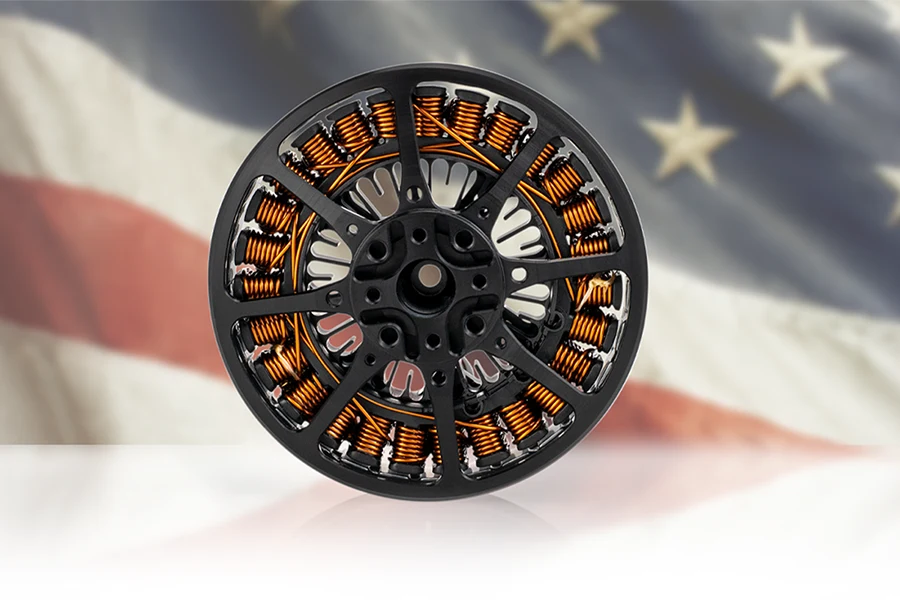
What Do the New Tariffs on Drone Components Mean for Manufacturers With the recent Proclamation from the White House that the President has imposed additional ad valorem tariffs on drones and drone components in hopes of strengthening America’s drone market, there is increasing pressure on drone manufacturers to source components domestically. This also encourages end…
Read MoreMotor Technologies Used in SATCOM Systems

Motor Technologies Used in SATCOM Systems Our previous blog focused on Where Motors Are Used in SATCOM Systems, while this article follows on from that, it explores some of the motor technologies used across SATCOM applications. For a detailed overview of motors for SATCOM systems and factors to consider when choosing a motor, download our Technical Guide to Motors for SATCOM Systems. As direct drive solutions continue to be widely used, the most suitable motor always…
Read MoreWhere Motors Are Used in SATCOM Systems

Where Motors Are Used in SATCOM Systems Following our previous blog on Key Engineering Challenges For SATCOM Motors, this article explores where motors are used across modern satellite communication applications. Download our Technical Guide to Motors for SATCOM Systems for a more in-depth overview of motors for SATCOM systems and how to select the right motor for your application. SATCOM applications, like ground-based tracking systems and satellites in orbit require a wide range…
Read MoreKey Engineering Considerations for SATCOM Motors

Key Engineering Considerations for SATCOM Motors The growth of Low Earth Orbit (LEO) constellations and increasing demand for connectivity across ground, airborne, maritime and space-based systems are placing new demands on SATCOM motion technology. Applications are becoming more dynamic, while engineers continue to face pressure to improve performance within demanding size, weight, power and environmental…
Read MoreKey Engineering Challenges for Motors in Humanoids
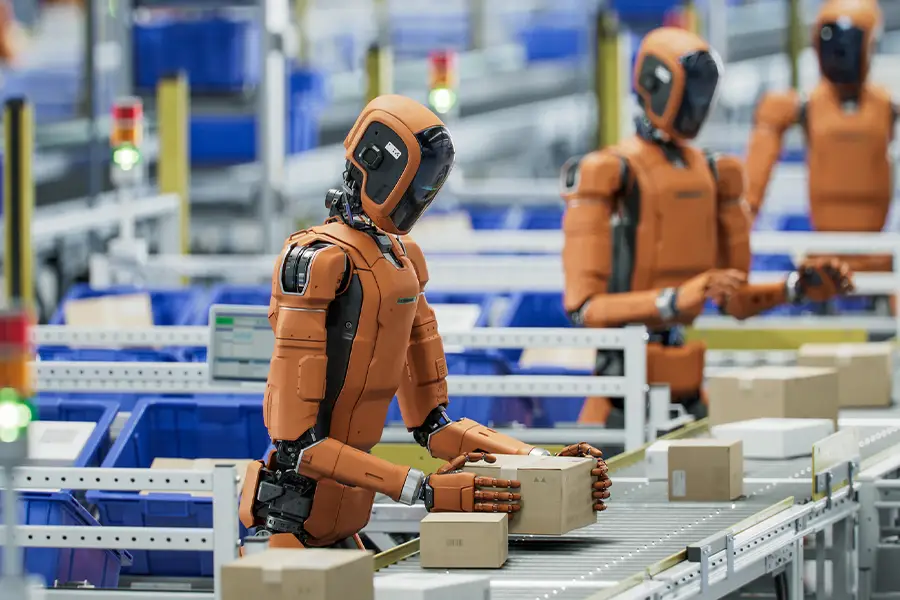
Key Engineering Challenges for Motors in Humanoids In the previous blog, we discussed selecting the right motor for humanoid applications, while this blog explores the key engineering challenges for motors in humanoids, covering coupled joint dynamics, thermal constraints, control trade-offs, and integration limitations. Download our selection guide to motors for humanoid robotics systems to help you choose the right motor for your humanoid application. …
Read MoreThe Hybrid Hexapod and the Economics of Precision Alignment
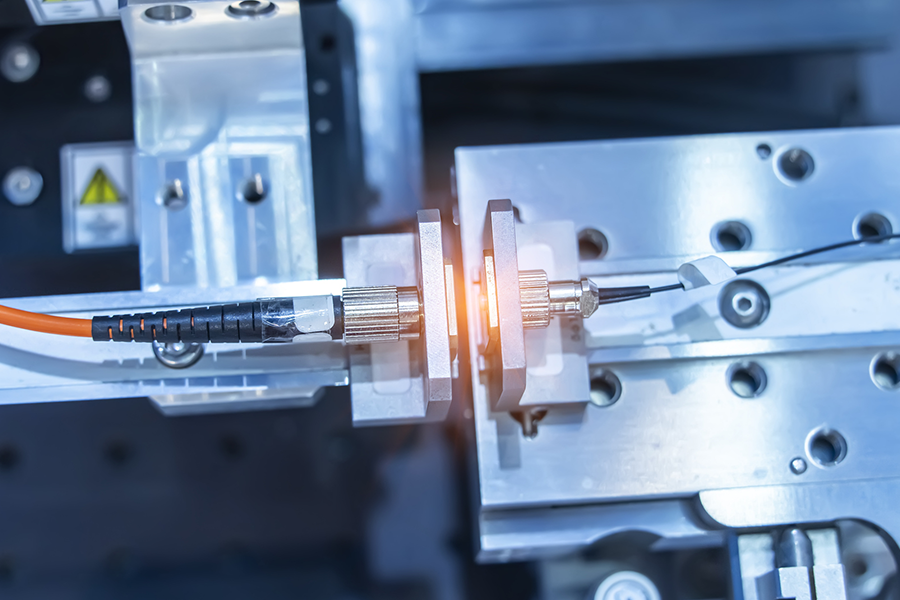
The Hybrid Hexapod and the Economics of Precision Alignment The recent growth in demand for Allient’s Hybrid Hexapod® is not being driven by curiosity. It is being driven by economics. In semiconductor packaging, medical device insertion applications, active optical alignment, and precision micro-assembly, alignment itself has become a yield determinant. It is no longer enough…
Read MoreSelecting the Right Motor for Humanoid Applications
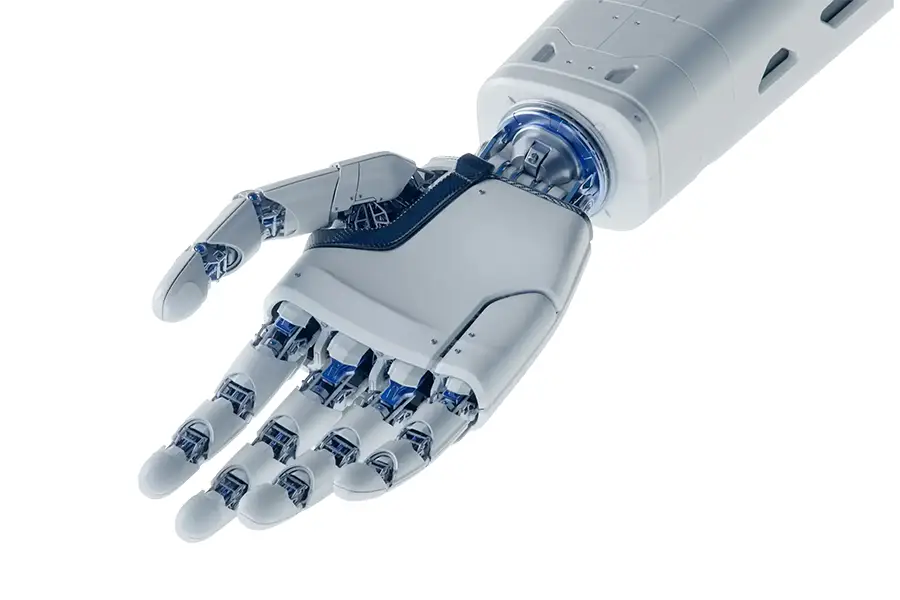
Selecting the Right Motor for Humanoid Applications In our previous humanoid blog, we explored the critical motor performance parameters in humanoids. This article examines how motor selection is shaped by application-specific and joint-level requirements across different humanoid robot configurations, reflecting how actuators must operate under continuous, dynamic, and thermally constrained conditions. For additional guidance on…
Read More