
Blogs
How Motion Control Puts the Robo in Robotics

How Motion Control Puts the Robo in Robotics Robotics, whether for mobile applications or not, depends greatly upon motion control technology. From the Roomba vacuum cleaner (a mobile application) to the DaVinci surgical robot system (a non-mobile application), motion control is required to move any robotic application. The word robotics implies a fully functioning system…
Read MoreRobot Joint Design for the New Designer
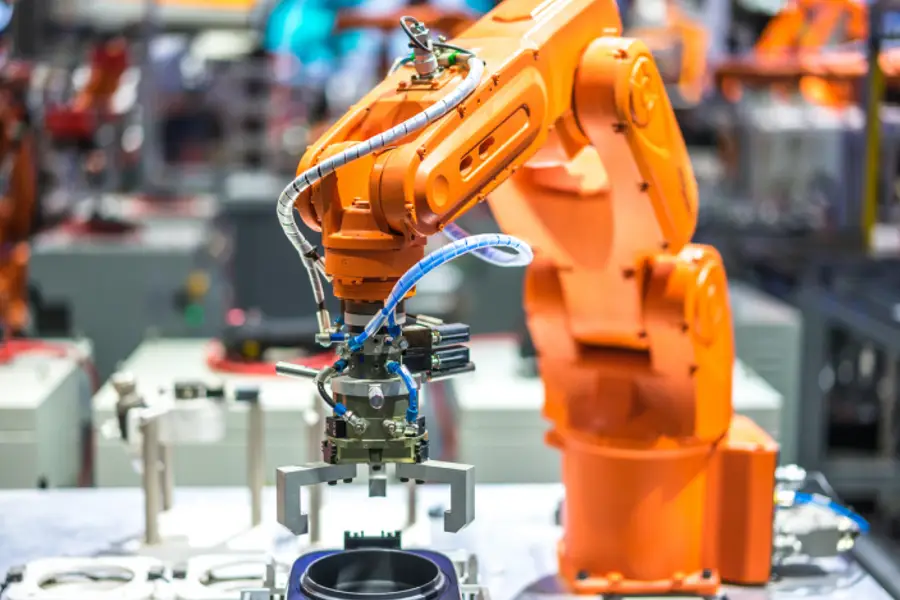
Robot Joint Design for the New Designer The new age of robotics and automation is here. The world can no longer rely on low-cost labor, or low-cost labor regions, to do mundane tasks. People have evolved intelligently to the point where it is easier to use new technologies for communication and social networking to get…
Read MoreIs Torque Output Enough to Select a Motor?

Is Torque Output Enough to Select a Motor? Torque output at the desired speed is the mechanical power required. This mechanical power output is widely used to define the requirements for almost any motor-driven system. The torque output from any motor depends on three main things. Electrical power input. Any controller or driver that may…
Read MoreApplication Examples of Air Core Axial Flux Motors
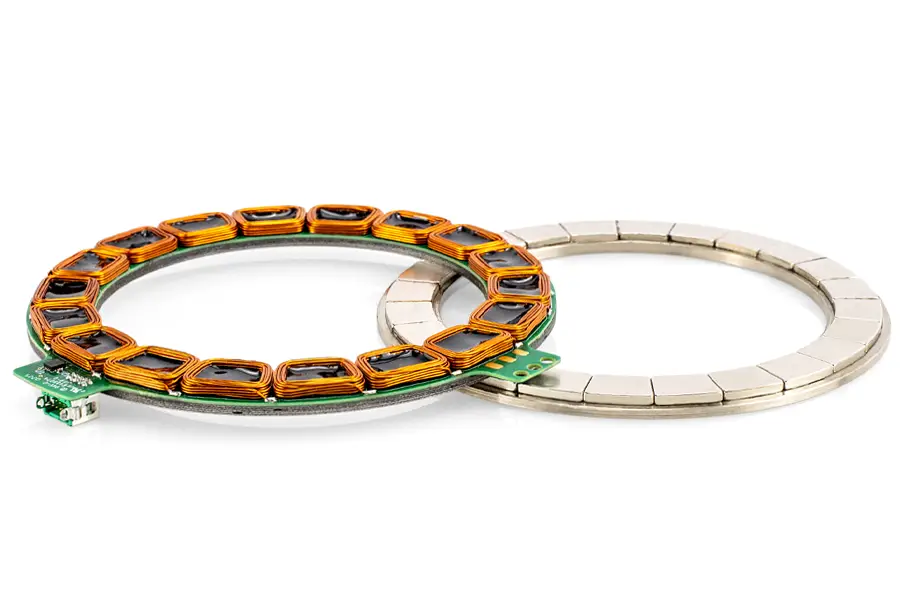
Application Examples of Air Core Axial Flux Motors Introduction There are many choices when it comes to motor architectures, so how do you know what type of motor to choose for your application? This article will describe some common application examples of where Air-core, Axial Flux motors have a unique value. Gimbals Air-core, Axial Flux…
Read MoreEffective Motor Constant

Effective Motor Constant Many motor specifications define how a brushless DC motor will perform, but only one allows a true motor to motor comparison of torque, associated power dissipation and temperature rise. That specification is the motor constant (Km). The units of the motor constant are Nm per square root of watts dissipated in the…
Read MoreWhy Is Km So Important for Robotics Applications?
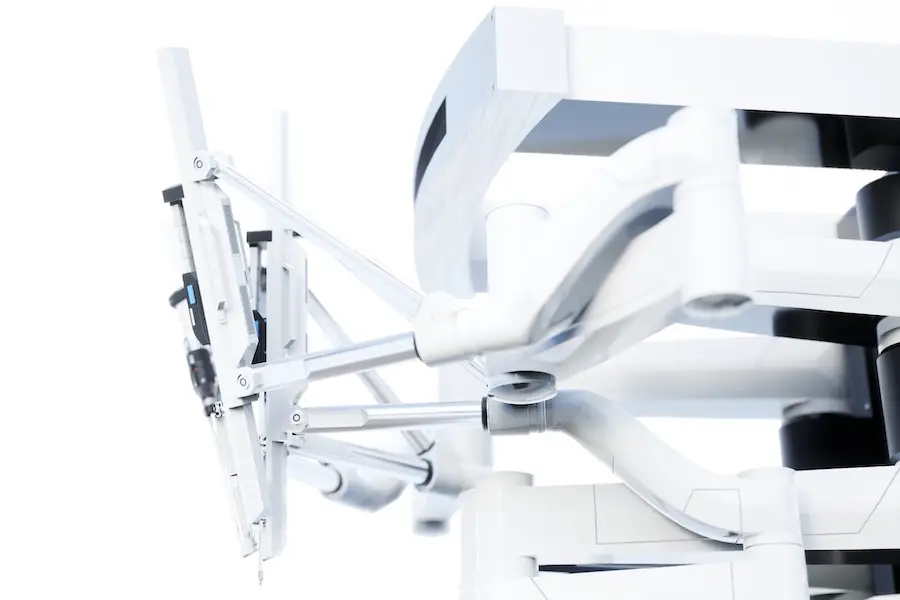
Why Is Km So Important for Robotics Applications? For certain applications, a motor’s Km is critical to defining motor output for the amount of heat generated. These applications are robotic joints, gimbals, fine positioning systems, and low voltage applications. Km is not as useful in power transmission applications that are constantly running at higher motor…
Read MoreSelecting Motors for Robots with Tight Thermal Constraints
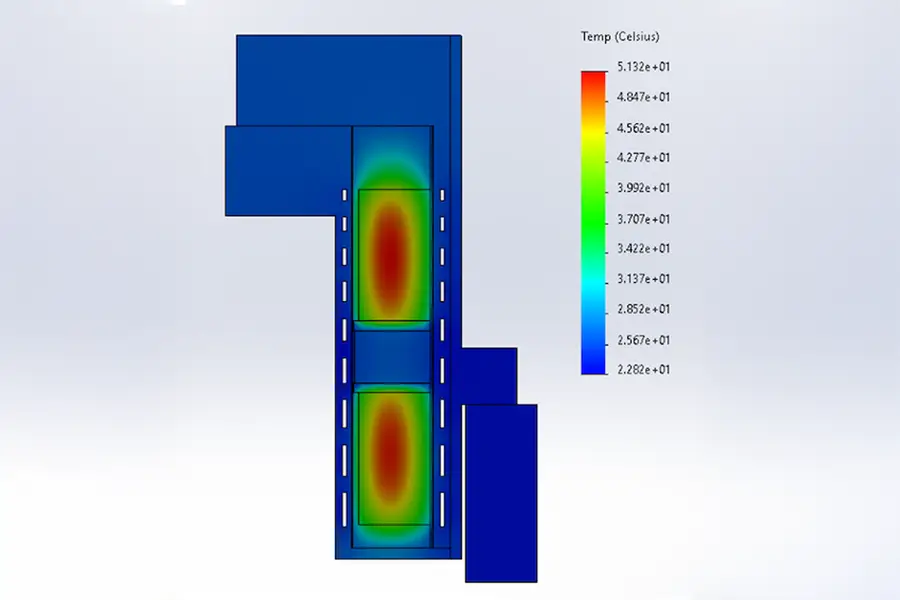
Selecting Motors for Robots with Tight Thermal Constraints Ok, you are selecting a motor and you click around. There are plenty of motors with 1 NM of torque at 1000 rpm you require. Pick the one that is available and has the best combination of size, weight, features, and price. Wait, is it that simple?…
Read MoreAre There Motors Specific to Robots and Cobots?

Are There Motors Specific to Robots and Cobots? Robot Motor Like most applications, early embodiments usually include available components from existing sources. As applications and processes improve the robot becomes more refined and in tune with the end process. For example, a robot for robotic surgery will differ greatly from a collaborative robot for picking…
Read MoreHow to Select a Motor for a Robot Joint
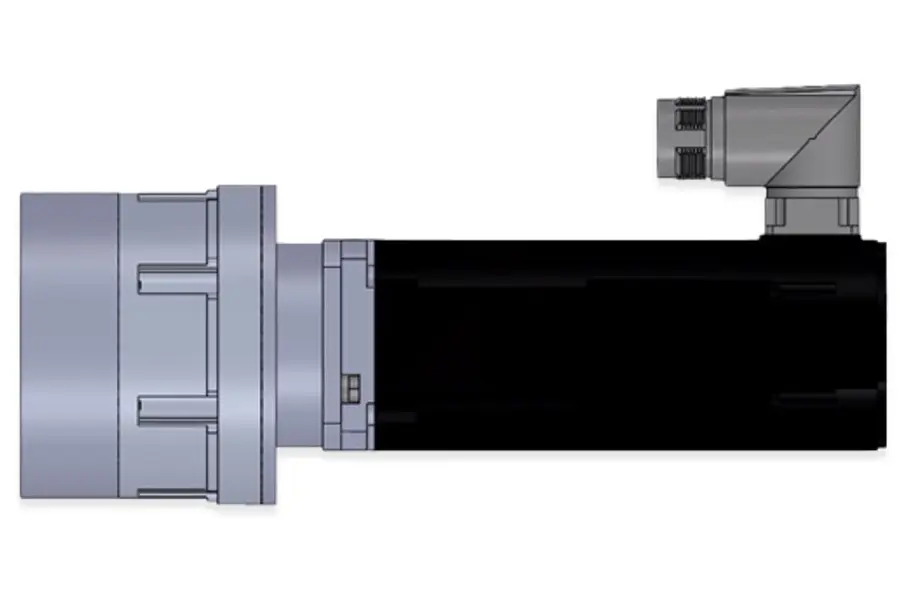
How to Select a Motor for a Robot Joint Today’s robot joints have highly integrated motors, encoders, gearing solutions, and sometimes brakes. It is common to use a direct drive frameless torque motor kit coupled to a precision high ratio gear system. While these two terms “direct drive” and “precision gear” tend to conflict, the…
Read MorePerformance Benefits of Air Core Axial Flux Motors
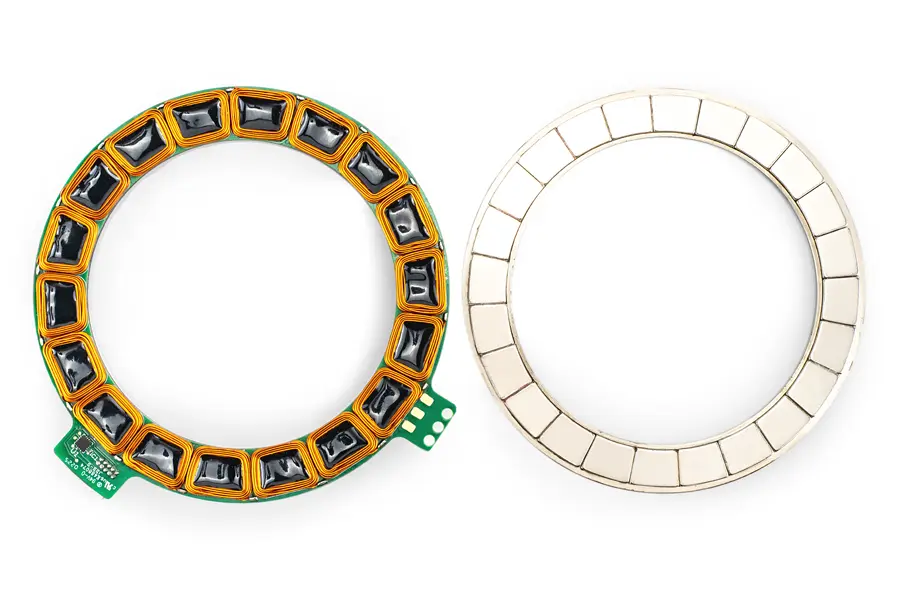
Performance Benefits of Air Core Axial Flux Motors Introduction Axial Flux motor architecture is a form of rotary actuation that delivers torque in a non-traditional form factor. Unlike radial flux motors, where coils run in line, or parallel with the rotation axis, axial flux coils sit perpendicular to the axis of rotation, and when combined…
Read More