Where Motors Are Used in SATCOM Systems
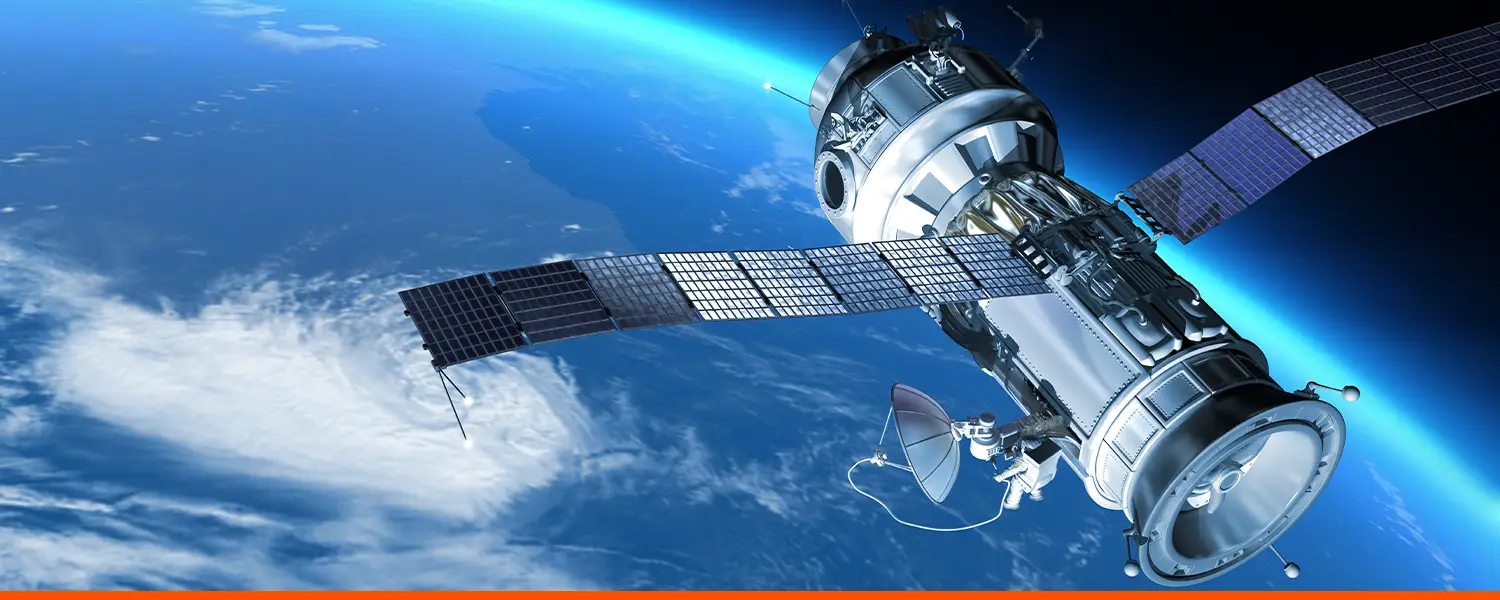
Following our previous blog on Key Engineering Challenges For SATCOM Motors, this article explores where motors are used across modern satellite communication applications.
Download our Technical Guide to Motors for SATCOM Systems for a more in-depth overview of motors for SATCOM systems and how to select the right motor for your application.
SATCOM applications, like ground-based tracking systems and satellites in orbit require a wide range of motors. Some of the most common examples include:
Ground Tracking Antennas
Ground tracking antennas use motors to acquire and continuously track satellites. This is particularly important for Low Earth Orbit (LEO) constellations, where satellites rapidly move across the sky and regular handovers are required.
Mobile SATCOM Terminals
Aircraft, ships and land vehicles use motor-driven antenna systems to compensate for constant platform movement while maintaining the satellite link.
Spaceborne Antennas and Payloads
Within satellites, motors position antennas, gimbals and payloads to maintain accurate pointing throughout the mission. These systems support communication equipment and payload alignment while operating reliably in space, where maintenance is not possible and long operational life is essential.
Spacecraft Attitude Control
Reaction wheel assemblies use motors to control spacecraft orientation without consuming propellant.
Inter-Satellite Optical Communications
Laser communication terminals require extremely accurate pointing to establish and maintain links between satellites. Motors provide the precise positioning needed to align optical terminals, supporting stable high-speed communications across satellite constellations.
For a more detailed look at SATCOM motor technologies, download our Technical Guide to Motors for SATCOM Systems or contact us to speak to an engineer.