
Advanced actuation systems for humanoid robotics, enabling continuous closed-loop control, real-time disturbance correction, and tightly coupled multi-joint coordination.
✓ High torque density and thermal performance for sustained operation
✓ Fast, precise response for balance, stability, and interaction
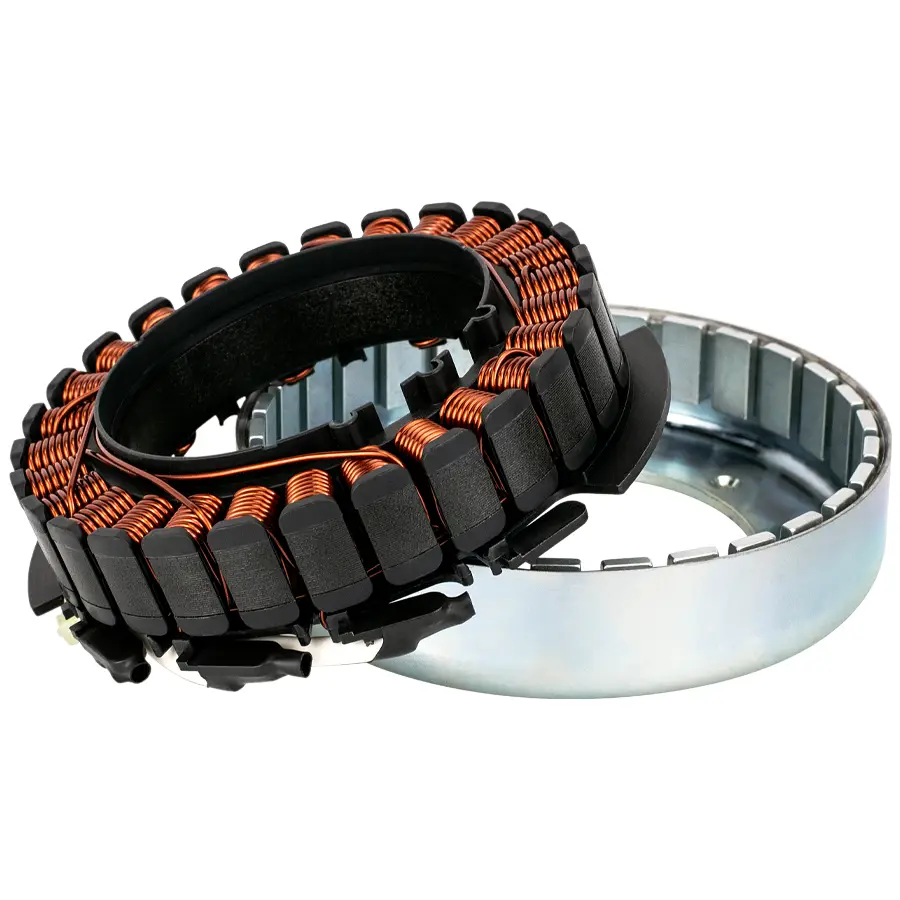
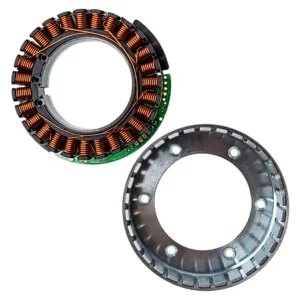
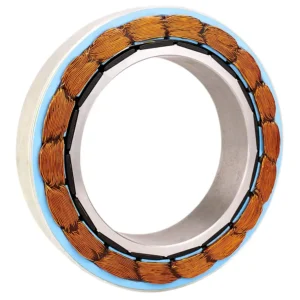
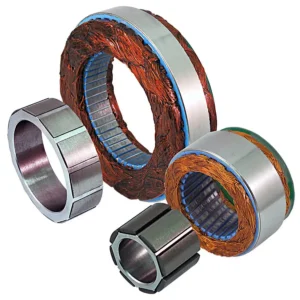
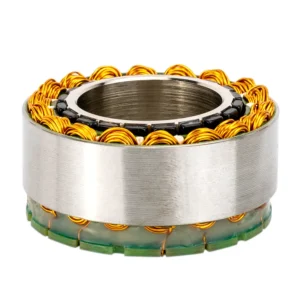
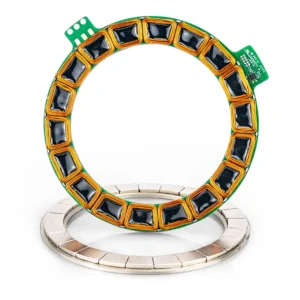
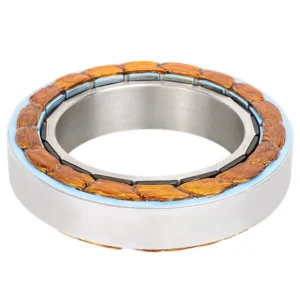
✓ Frameless, slotless, and integrated motor solutions for compact joint design


New Whitepaper: A Selection Guide to Motors for Humanoid Robots
Everything you need to select the right motor for humanoid robotics applications, including:
✓ Motor topologies used in humanoid systems
✓ Continuous torque and thermal performance
✓ Real-time control and stability requirements
✓ System-level actuation and joint coupling
✓ Practical motor selection checklist
Humanoids require motion solutions that operate continuously under dynamic, real-world conditions. Rather than executing fixed movements, these systems rely on constant feedback, real-time correction, and coordinated behavior across multiple joints to maintain stability and perform tasks.
Allient applies deep expertise in frameless, slotless, and integrated motor technologies to support these requirements, enabling high torque density, precise control, and compact joint-level integration. Our approach focuses on system-level performance, ensuring actuators deliver consistent behavior under multi-joint coupling, varying loads, and continuous interaction with the environment.
At Allient, we offer more than parts. We deliver confidence in CONNECTING what matters.

Selecting Motors Based on Joint Function
Motor requirements in humanoid systems are driven by joint function and system-level behavior. Different joints operate under varying torque demands, motion profiles, and control requirements, and no single motor architecture meets all application needs.
As a result, motor performance must be evaluated under continuous dynamic operation, including real-time control response, thermal limits, and interaction with coupled joint dynamics, rather than nominal ratings alone.
Common Humanoid Joint Functions Include:
- Load-bearing joints, where high continuous torque, thermal robustness, and stable motion are required for locomotion and support
- Manipulation joints, where controlled motion, coordination, and precision are critical for task execution
- Hands and end-effectors, where fast response, low inertia, and smooth torque output enable dexterous interaction
- Stabilization and orientation joints, where smooth, responsive control supports balance and sensor alignment
Each joint function places different demands on motor architecture, integration approach, control strategy, and system-level performance.
Allient produces over 5 million motors every year delivering proven expertise and unmatched reliability.