
What Do the New Tariffs on Drone Components Mean for Manufacturers
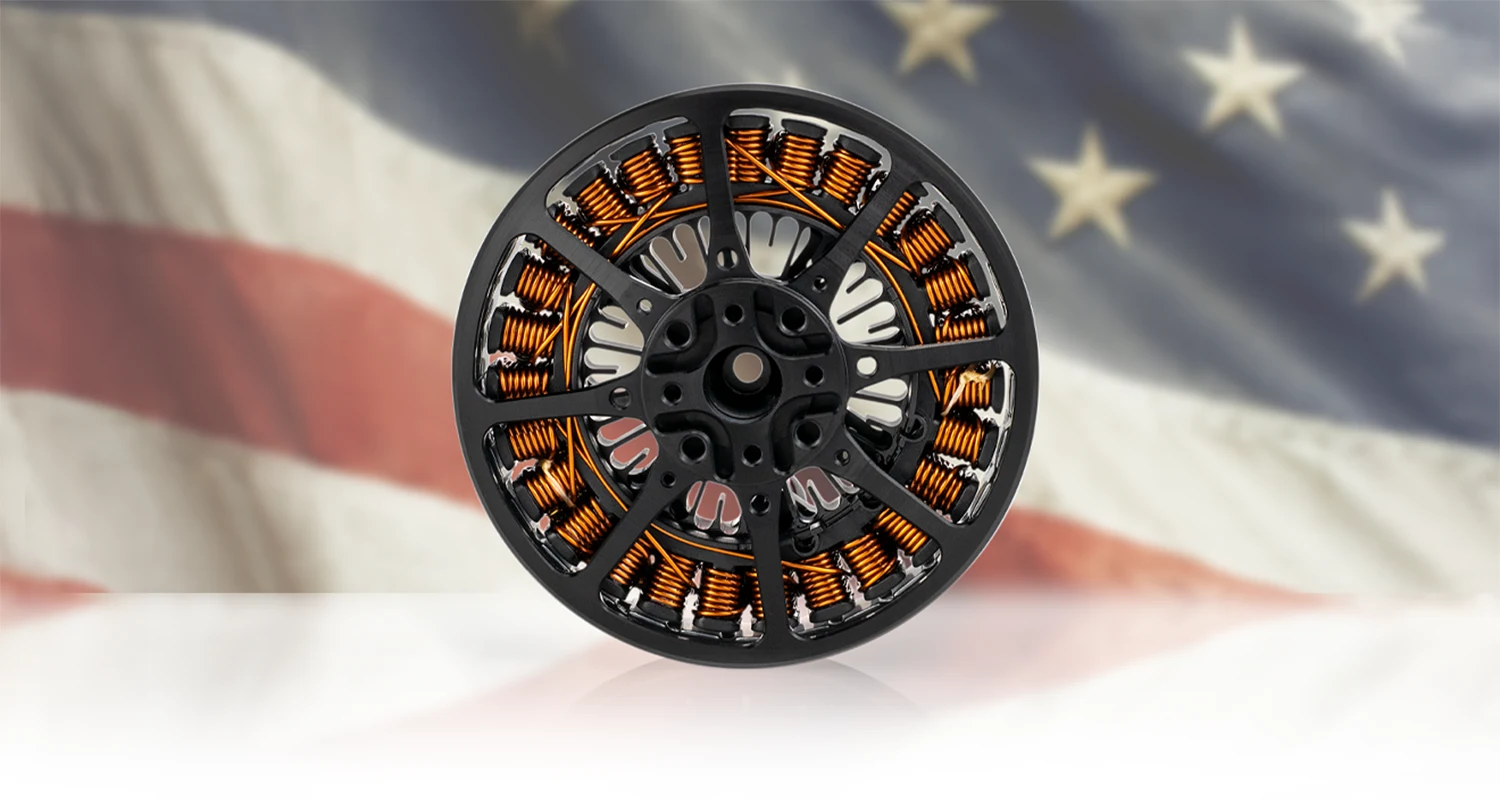
American-made drone motors

With the recent Proclamation from the White House that the President has imposed additional ad valorem tariffs on drones and drone components in hopes of strengthening America’s drone market, there is increasing pressure on drone manufacturers to source components domestically. This also encourages end users seeking low-cost drones to buy UAS platforms from the U.S.

The ad valorem tariffs, which take effect on September 3, 2026, vary based on drone size, capability, and origin. Below is a summary of the tariffs imposed by the recent Proclamation:

• 100% ad valorem tariff on drones of a certain size or with certain capabilities that are particularly sensitive for national security purposes, docking stations of these drones, and certain critical components of these drones. This drone category includes drones with a maximum takeoff weight of more than 25 kilograms and drones with thermal imaging capabilities.

• 25% ad valorem tariff on certain drones that are smaller in size and lack certain capabilities that particularly implicate national security, and on other drone components.

• 15% ad valorem tariff on drones and components from the European Union, Japan, Liechtenstein, Republic of Korea, Switzerland, and Taiwan, and a 10% ad valorem tariff for drones from the United Kingdom, provided that substantially all hardware, software, and technology originate from within these countries and the United States.

• The Proclamation authorizes the Secretary of Commerce to establish an onshoring program for companies making new investments in manufacturing drones and drone components.

• The tariffs will take effect 21 days after signing. For components of drones that are not particularly sensitive, the tariffs will take effect 180 days after signing.

• For products and components that the Department of War has approved for an exemption from the Federal Communications Commission’s Covered List within 20 days of signing, the tariffs will take effect 180 days after signing.
What does this mean for drone manufacturers?

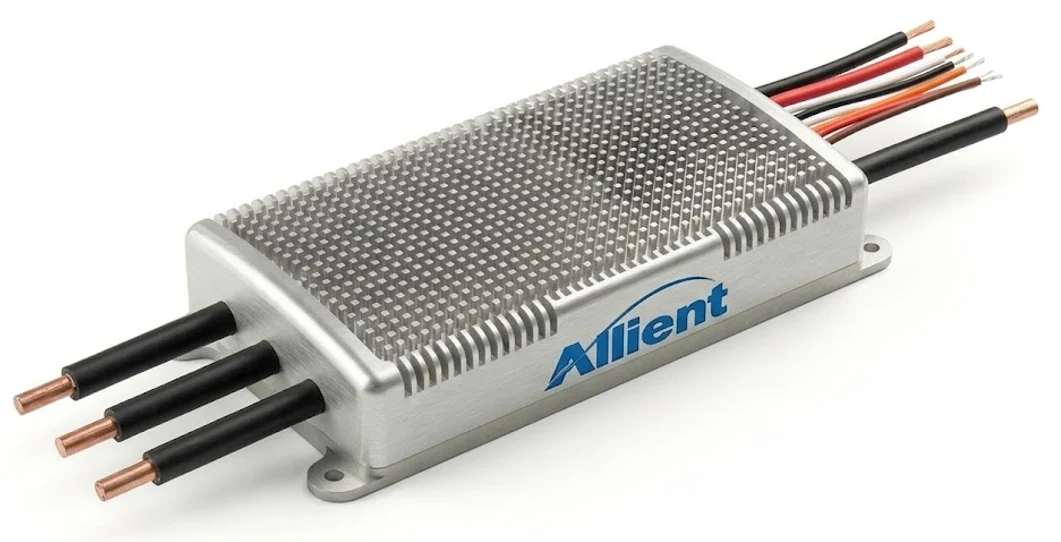
Their supply chain is about to get a lot more expensive if relying on non-domestic components such as motors, ESCs, Flight controllers, and propellers. The pressure is on to quickly qualify new suppliers, which is no easy task.

While the drone industry is saturated with companies looking to provide agile, high-endurance, heavy payload capacity, and low-cost solutions for defense, civilian, and commercial applications, U.S.-based drone component suppliers with heritage are limited.

Why does this matter?

Reliability is the key for successful and mission-ready UAS platforms. Whether it be reliability in supply chain and manufacturing capability which are critical for high-volume and low-cost drone production, or component performance and efficiency for meeting the toughest flight requirements; without a vetted supplier with history of high-volume production, and top-of-the-line performance, drone motor companies face higher risk for program failures.

Additionally, reducing supply chain complexity provides a significant advantage to drone manufacturers that are looking to make a change quickly and cost effectively. With not much time to avoid these additional tariffs, qualifying a single supplier that can provide multiple drone components enables buyers to keep onboarding time and costs down.

These new tariffs are just another challenge for drone companies that have won or are seeking defense contracts. In the last year, the National Defense Authorization Act (NDAA) has imposed stringent sourcing requirements on critical components used in UAS through DFARS regulations. Specifically, magnets and specialty metals used in motors must not be produced in covered countries (China, Russia, North Korea, and Iran).

For years China has been the main source of magnet material, so these new limitations are also putting pressure on component manufacturers to qualify DFARS-compliant suppliers to ensure their products can be used in the markets that they are targeting. The NDAA is updated each fiscal year and given the latest set of tariffs, it is fair to assume that requirements on sourcing critical drone components will become more limited.

Finding a supplier that can provide U.S.-made, NDAA-compliant components with certification of conformance is critical to securing defense contracts.

With over 80 years supplying reliable motion components, 25 locations worldwide, and extensive experience in the defense industry, Allient is ready to support your drone platforms with Vyxalon, NDAA-compliant drone motors and ESCs designed and manufactured in the U.S.for the most advanced unmanned systems.

Reach out today to discover Allient’s U.S.-made drone technologies optimized to meet your flight requirements.

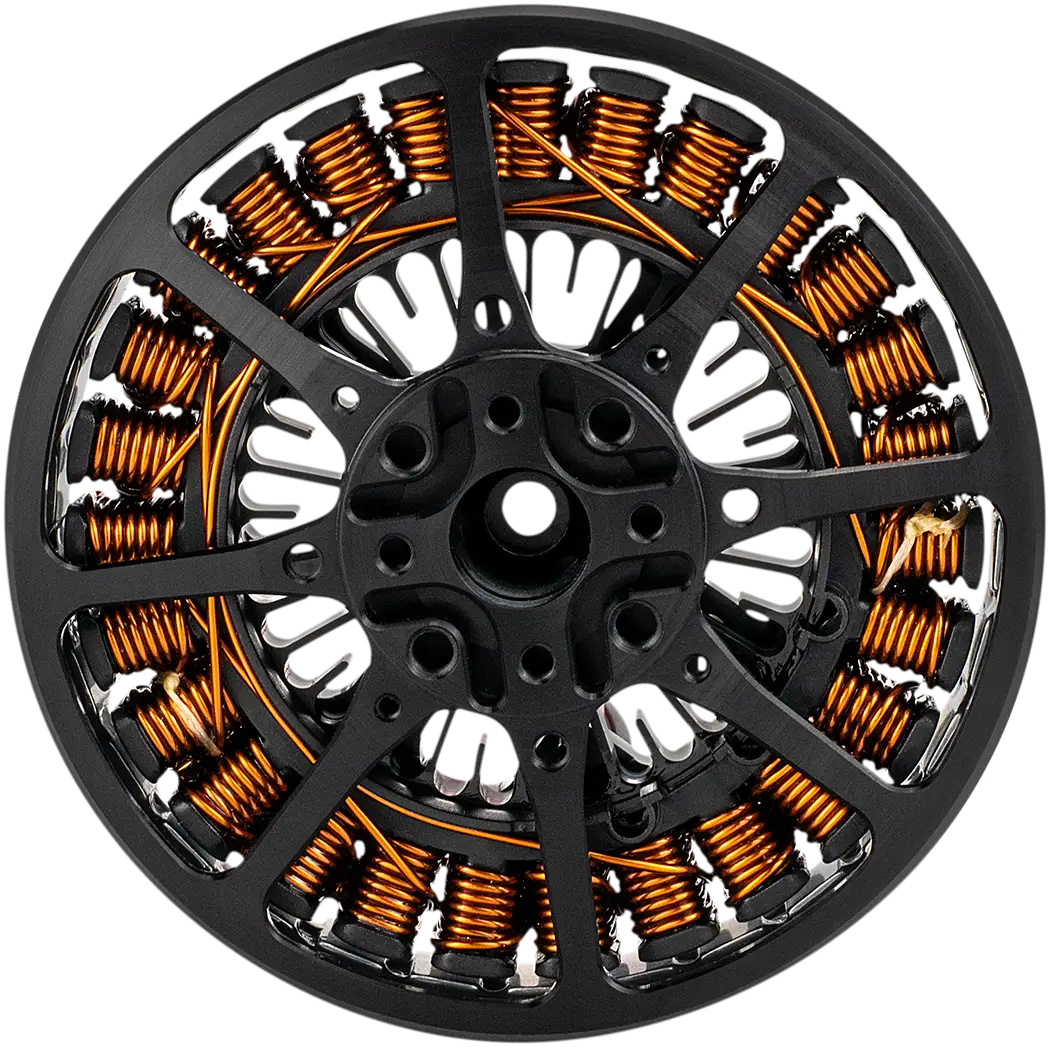
VyxalonTM-Apex
Brushless DC Motor for Drone Application