
Mission-ready propulsion and motion systems engineered for UAV, aerospace, and defense platforms with demanding performance and integration requirements.
✓ Made in the USA
✓ High Power density, low weight & thermal efficiency
✓ Custom and standard motors

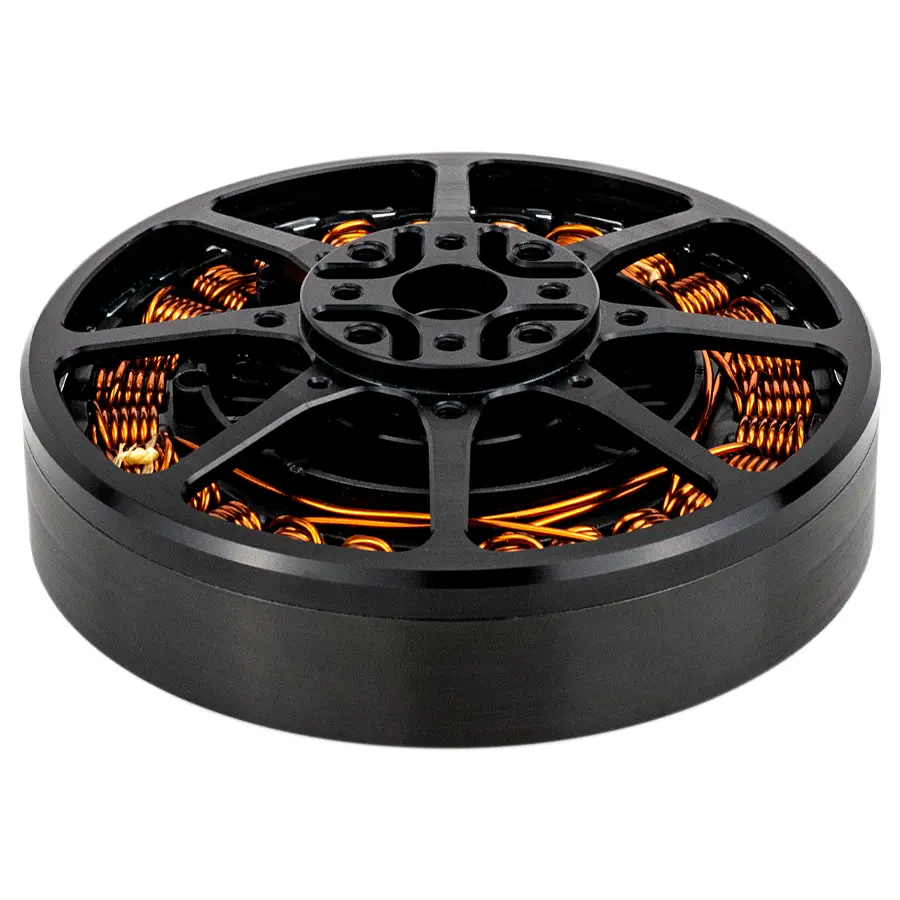
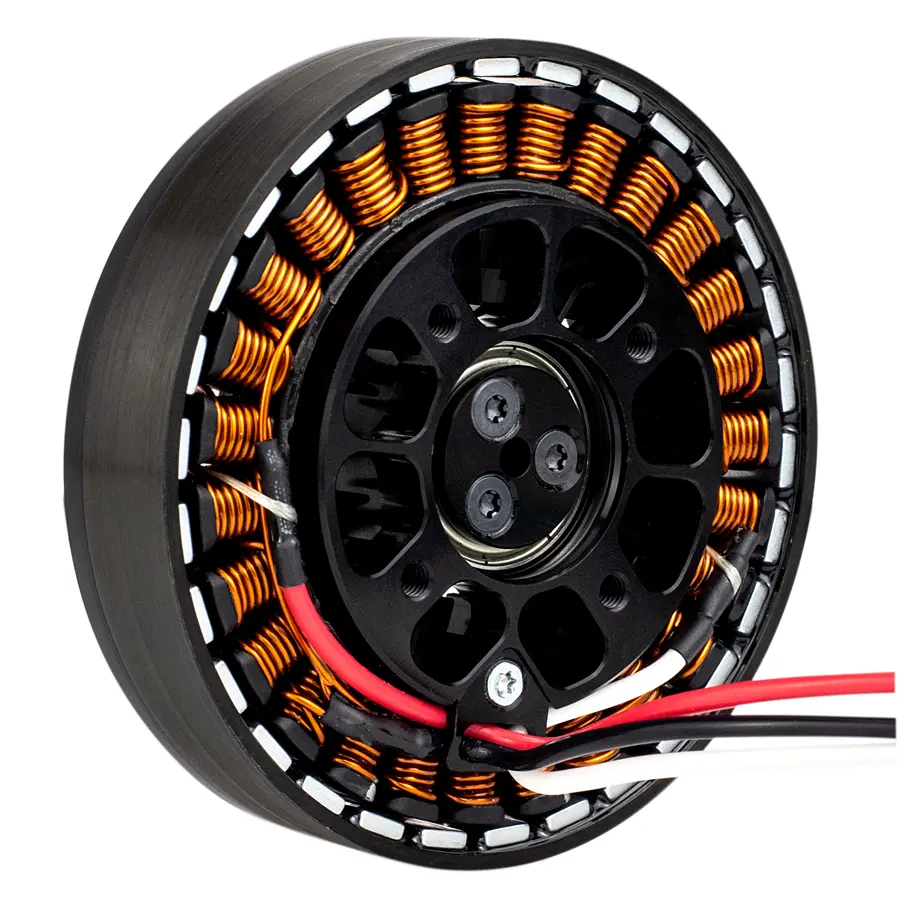
Vyxalon™ Series Motors for Drones, UAV, UAS
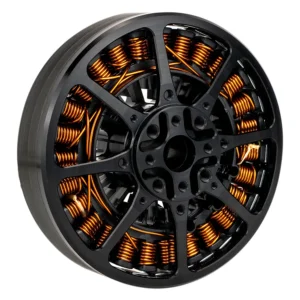
Vyxalon™ Apex Drone Drive
-
Operating Temperature (ºC)-30 - 85
-
Rated Current (ADC)60
-
Communication TypeDroneCAN, Dshot
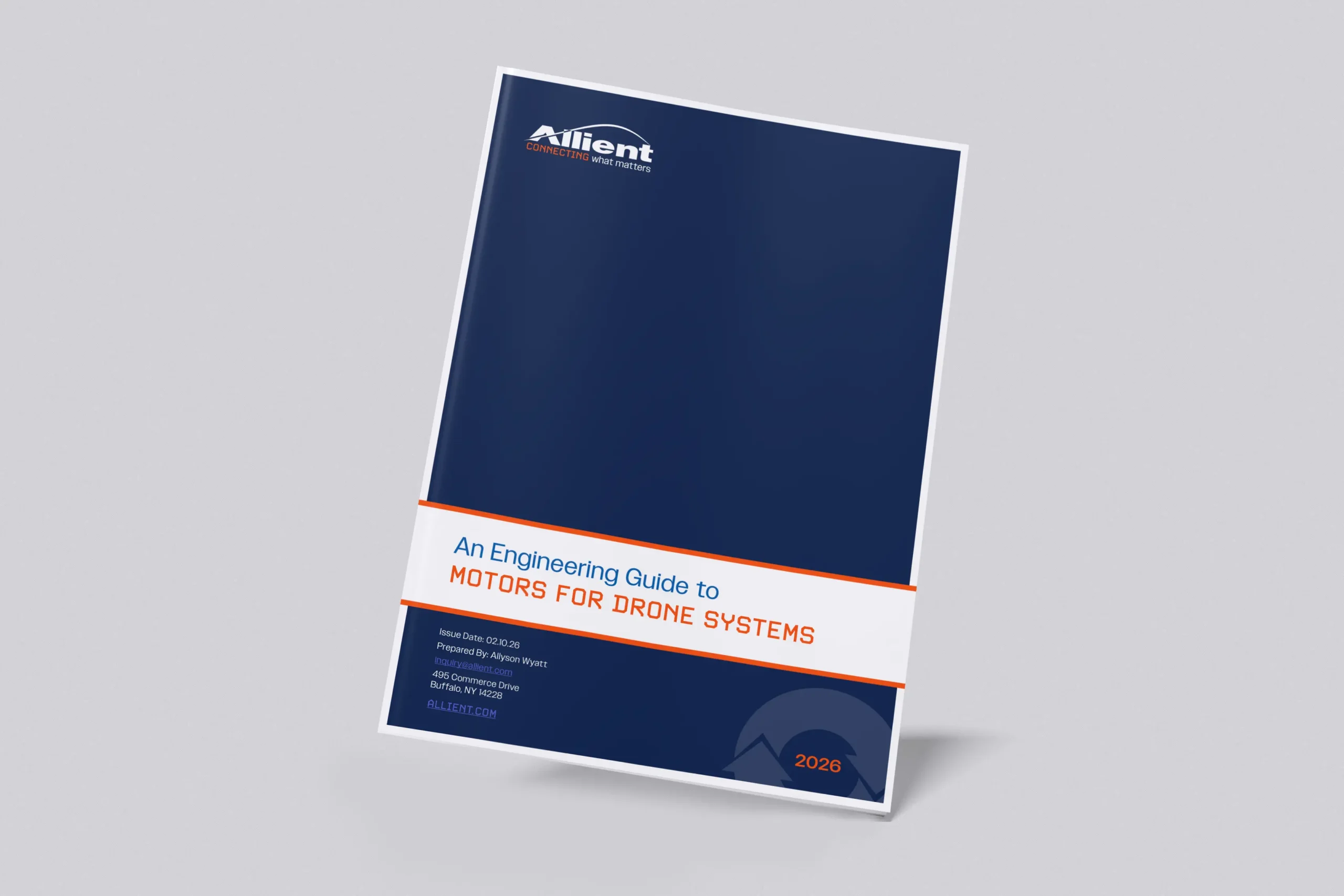
New Whitepaper: An Engineering Guide to Motors for Drone Systems
Everything you need to select the right motor for your drone application, including:
✓ Motor topologies used in drone systems
✓ Thermal design under airflow conditions
✓ Thrust-to-weight trade-offs
✓ Mission-profile-based motor selection
✓ Practical engineering checklist

Allient Defense brings decades of engineering expertise and high-volume U.S. manufacturing to the forefront of military UAS development. Building on a strong track record supporting defense programmes, we deliver propulsion, motion and power solutions ranging from COTS propulsion motors and ESCs to gimbals, propellers and mission-ready kits.
What sets us apart is not only the performance and availability of our technologies, but our ability to work alongside customers to customise and optimise solutions for the demanding requirements of modern military platforms.

Watch video interview with Steve Warzala, President of Allient Derfense, to learn how drone programs are being built for scale and longevity.
Selecting Motors Based on Mission Profile
Motor requirements in drone systems are driven by the mission profile. UAV platforms differ significantly in payload, flight duration, duty cycle, and operating environment, and no single motor architecture meets every application need.
As a result, motor performance must be evaluated under real operating conditions, including sustained load, available airflow for cooling, and thermal limits, rather than nominal ratings alone.
Common UAV Mission Profiles Include:
- Endurance-focused platforms, where efficiency and sustained operation under partial load determine flight time and range
- Lift-oriented platforms, where thrust capability, torque density, and thermal headroom are prioritized for hover and vertical lift
- Precision payload and gimbal systems, where smooth torque output, low cogging, and dynamic response are critical
Each mission profile places different demands on motor architecture, winding configuration, cooling strategy, and control approach.
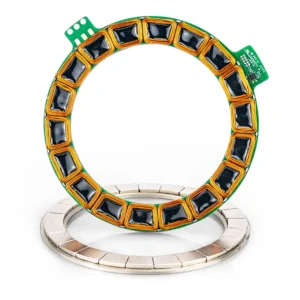
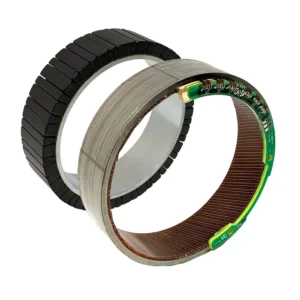
Allient produces over 5 million motors every year delivering proven expertise and unmatched reliability.